

Home Heating Types: Which Are Best For Warmth And Efficiency?
17 August 2023
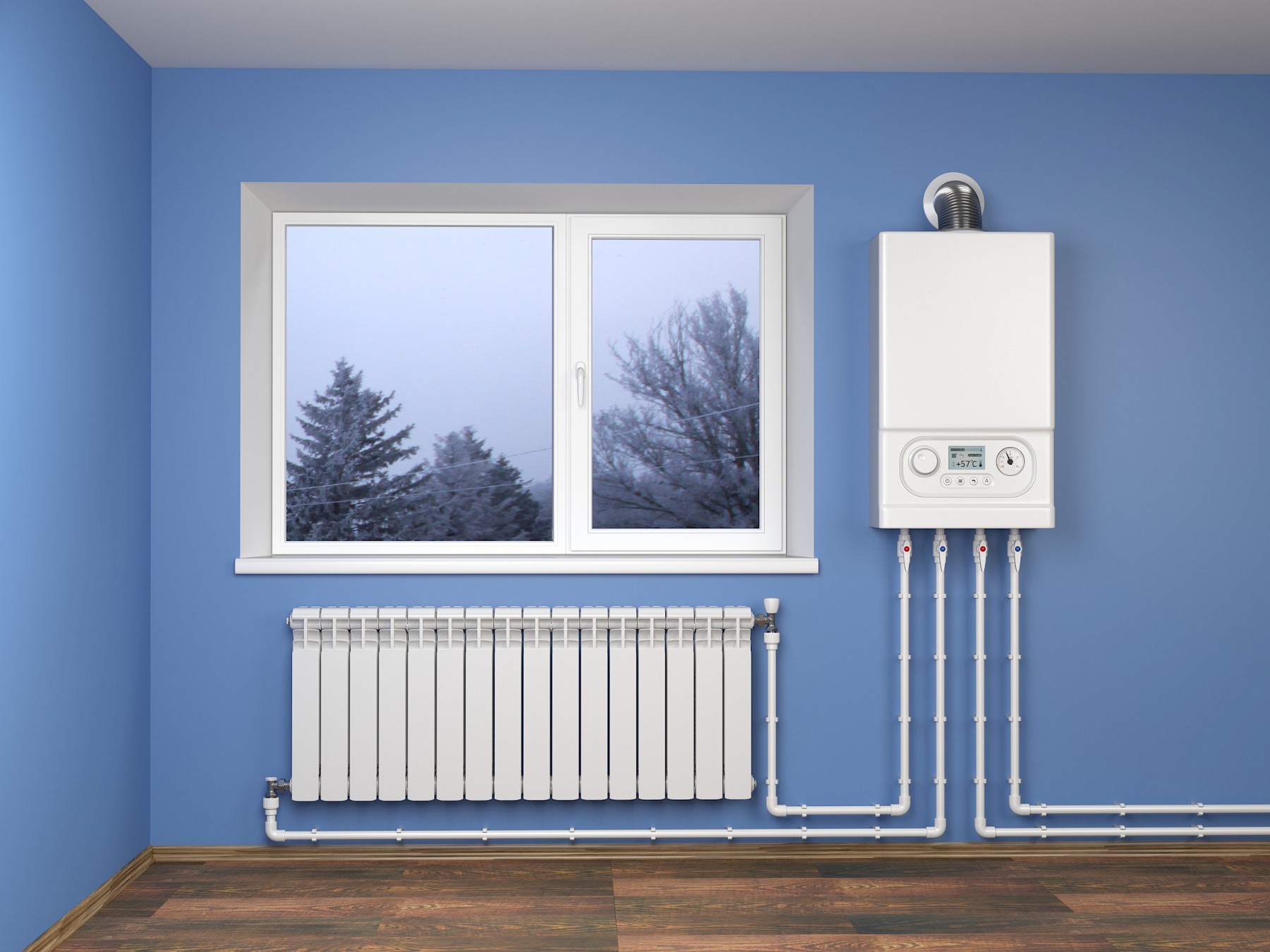
Choosing the right heating system for your home can give you and your family a cosy place to relax and save you money in the long run. With so many different options available - it can be challenging to determine which type is best suited to provide you with all the warmth and efficiency you need.
In this post, we take a closer look at the various home heating types available so that you’re better informed when it comes time to make a decision.
Whether you’re looking for an energy-efficient solution or simply want something that will keep everyone warm during winter months, these facts are sure to help inform your choice!
Evaluating Efficiency Levels for Each Type of Heating System
When it comes to heating systems, there are numerous options available. The most common ones include:
- Gas Furnaces: Gas furnaces are known for their reliability and high heat output. However, their efficiency can vary. Modern high-efficiency models can achieve efficiencies as high as 98%, while older, conventional models may only reach efficiencies of around 80%.
- Oil Furnaces: Oil furnaces tend to be less efficient than gas furnaces, with efficiency levels typically ranging between 80% and 90%. However, they can be a good choice in areas where natural gas is not readily available.
- Electric Baseboard Heaters: Electric baseboard heaters can be 100% efficient at converting electricity into heat. However, because electricity is often more expensive than gas, it can be more costly to operate.
- Boilers: The efficiency of boilers can vary greatly, with older models achieving efficiencies as low as 70% while high-efficiency condensing boilers can achieve efficiencies over 90%.
- Heat Pumps: Heat pumps are extremely efficient, especially in milder climates. Air-source heat pumps can reach efficiencies of over 300%, while ground-source heat pumps can achieve efficiencies of over 400%.
- Geothermal Systems: Geothermal systems are among the most efficient heating options available, with efficiencies often exceeding 400%. However, they can be expensive to install.
- Radiant Heating: Radiant heating systems are typically highly efficient, with efficiencies often exceeding 90%. They heat the home by warming the floors or walls, providing a comfortable and even heat distribution.
With the right system in place, you can keep your home warm and comfortable throughout the winter without breaking the bank.
Pros and Cons of different heating systems
When choosing a heating system for your home, it's important to weigh the pros and cons of each option. Let’s take a look at what they are:
Gas Heating Systems
Pros:
- High efficiency: Gas heaters can be up to 98% efficient, making them a cost-effective option for heating your home.
- Affordability: Natural gas is typically a cheaper fuel source compared to electricity or oil.
- Reliable heat source: A gas heating system can provide a steady supply of heat during cold winter months.
Cons:
- Requires a gas line: If your home does not already have a gas line installed, it can be costly to add one.
- Safety concerns: Gas leaks can lead to fires or carbon monoxide poisoning.
Electric Heating Systems
Pros:
- Easy installation: Electric heaters are generally easy to install and require no fuel delivery infrastructure.
- Low maintenance: Electric heaters usually require less maintenance compared to gas or oil heaters.
- Environmentally friendly: Electric heaters don't burn fuel, so they don't emit greenhouse gases.
Cons:
- Potentially high operating costs: While electric heaters are highly efficient, electricity rates can be more expensive than gas or oil.
- Dependent on the power supply: If there's a power outage, your heat goes out.
Oil Heating Systems
Pros:
- Longevity: Oil heating systems often last longer than gas or electric systems.
- High heat output: Oil heaters are known for their ability to produce a lot of heat.
Cons:
- Price fluctuation: The cost of oil can fluctuate, making it difficult to budget for heating costs.
- Requires fuel delivery: Unlike gas or electricity, oil must be delivered and stored in a tank.
- Higher maintenance: Oil heating systems may require more maintenance compared to other systems.
Radiant Heating Systems
Pros:
- Uniform heating: Radiant heating provides even heat distribution across rooms, eliminating cold spots.
- Energy-efficient: Radiant heating is typically more energy-efficient than traditional heating methods, reducing energy costs.
- Quiet operation: Unlike forced-air systems, radiant heating operates silently, contributing to a peaceful home environment.
Cons:
- High installation costs: Installing a radiant heating system, especially in existing homes, can be expensive.
- Slow heating: Radiant systems can take longer to heat up compared to other heating options.
Heat Pump Systems
Pros:
- High efficiency: Heat pumps are very efficient, especially in mild climates, which can lead to significant energy savings.
- Versatility: Heat pumps can provide both heating and cooling, making them a versatile choice for year-round climate control.
- Environmentally friendly: Because they move heat rather than burning fuel to generate it, they emit fewer greenhouse gases.
Cons:
- High upfront costs: Heat pumps can be more expensive to install than other types of heating systems.
- Reduced efficiency in extreme temperatures: Although heat pumps are excellent for mild climates, their efficiency can drop in extremely cold temperatures.
Ultimately, the decision will depend on your individual needs and priorities. Consider factors like upfront cost, ongoing maintenance, and environmental impact before making a decision.
What Is the Most Cost-Effective Way to Heat Your Home
The rising cost of energy has made it more crucial than ever to find cost-effective ways to heat your home. With so many options available, it can be difficult to determine which one will best suit your needs. Some affordable heating options include electric heaters, space heaters, and furnaces.
However, the most cost-effective way to heat your home could be by installing a programmable thermostat. This device can be programmed to adjust the temperature based on your daily routine, hence, you never waste heat when you are not at home.
Not only does a programmable thermostat save energy and money, but it also increases the overall comfort of your living space.
About Enviroplanet
Are you looking for a reliable Green solutions company to help you switch to green technology? Look no further than Enviroplanet. We are one of the top green energy system installers in the Essex, Norfolk, and Suffolk regions. We design the installation based on your energy requirements and ensure that your journey towards switching to green energy completes without any hurdles. You can reach us at 01473 599127 or fill out our contact form to know more.